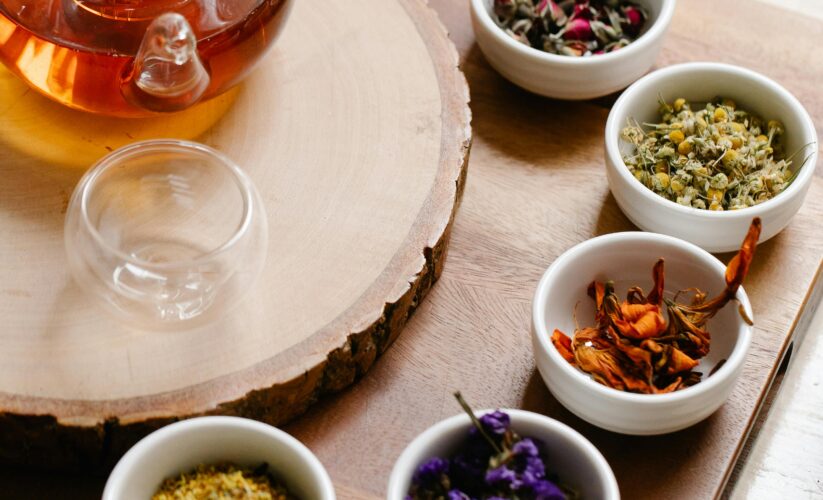
Perennial Herb Plants |Uses and Importance
Perennial herb plants are an important group of plants that live for more than two years and continue to grow and produce leaves, flowers, or usable parts season after season. Unlike annuals, which complete their life cycle in one year, or biennials, which take two years, perennials return every year from the same root system. Herbaceous perennials usually die back above ground during unfavorable seasons such as winter or dry periods, but their roots remain alive and sprout again when conditions improve. These plants are widely valued in gardens, agriculture, and traditional medicine because of their longevity, low maintenance, and diverse uses.
Types of Perennial herb plants
Perennial herbs can be classified into several types based on their growth habit, uses, and characteristics. Understanding these types helps gardeners, students, and plant lovers select suitable plants for landscaping, culinary use, or medicinal purposes.
Culinary Perennial Herbs
Culinary perennial herbs are grown mainly for flavoring food and enhancing taste and aroma. They are an essential part of kitchens around the world and are valued for their fresh leaves, stems, or roots. One of the most common culinary perennial herbs is mint. Mint spreads easily through underground runners and is known for its refreshing aroma and cooling taste. It is widely used in teas, beverages, desserts, and savory dishes.
Rosemary is another popular perennial herb with needle-like leaves and a woody stem. It thrives in warm climates and well drained soil. Rosemary is used to season meats, soups, and breads and is also appreciated for its ornamental appearance.
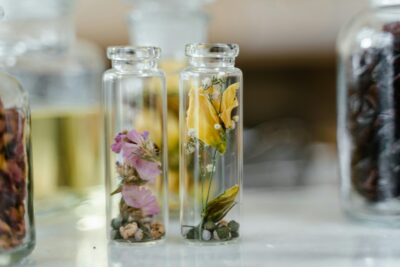
Thyme, a low-growing perennial herb, is known for its tiny leaves and strong flavor. It is often used in stews, sauces, and roasted dishes. Sage is a hardy perennial herb with soft, gray green leaves and a slightly bitter taste. It is commonly used in stuffing, meat dishes, and herbal teas.

These culinary perennial herbs are favored because they can be harvested repeatedly over many years, making them economical and sustainable for home gardens.
Medicinal Perennial Herbs
Medicinal perennial herbs have been used for centuries in traditional and modern medicine. They contain natural compounds that help in preventing or treating various health conditions. Aloe vera is one of the most well-known medicinal perennial herbs. It has thick, fleshy leaves filled with gel that is used to soothe burns, cuts, and skin irritations. Aloe vera is also used in cosmetics and health products. Turmeric, although often grown as an annual in some regions, is botanically a perennial herb. Its underground rhizomes are widely used for their anti inflammatory and antioxidant properties.
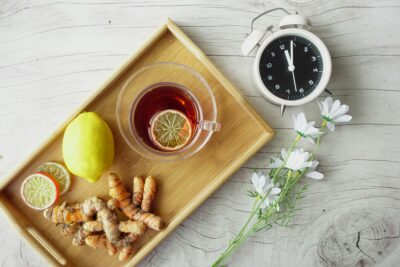
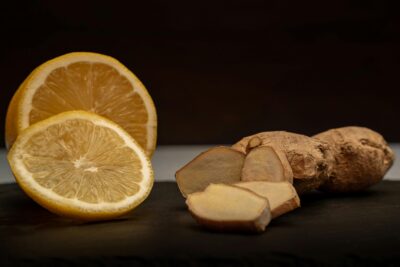
Ginger is another perennial herb valued for its medicinal and culinary uses. It helps with digestion, nausea, and colds.
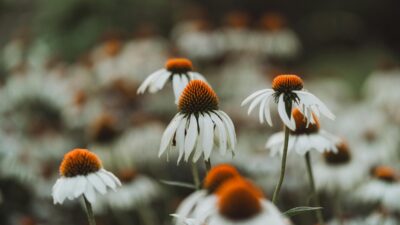
Echinacea is a flowering perennial herb commonly used to boost the immune system. It is popular in herbal remedies for colds and infections.
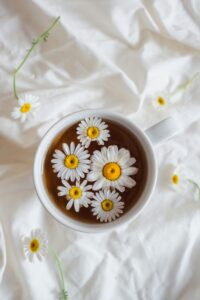
Chamomile, a gentle medicinal herb, is used in teas to promote relaxation and improve sleep. Medicinal perennial herbs play an important role in natural healing systems and are increasingly recognized in modern healthcare.
Ornamental Perennial Herbs
Some perennial herbs are grown mainly for their decorative value in gardens and landscapes. These plants add beauty, texture, and fragrance to outdoor spaces while also offering functional benefits. Lavender is a classic ornamental perennial herb known for its fragrant purple flowers and silvery-green foliage. It is widely used in gardens, perfumes, and aromatherapy.
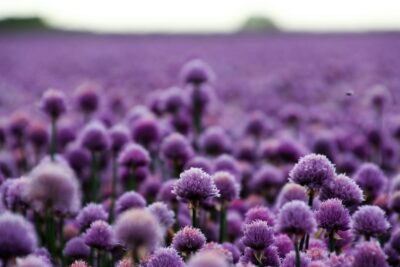
Chives are another example of an ornamental herb with slim, grass like leaves and attractive purple flowers. They are often planted along borders or in herb gardens for both beauty and culinary use.
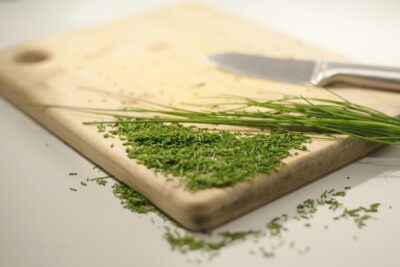
Fennel, with its feathery leaves and tall growth, adds an elegant look to gardens and produces aromatic seeds used in cooking.
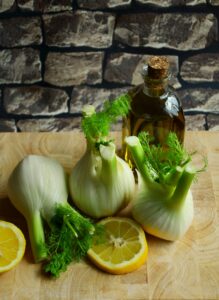
Ornamental perennial herbs are valued for attracting pollinators such as bees and butterflies, helping to support biodiversity in gardens.
Aromatic Perennial Herbs
Aromatic perennial herbs are known for their strong and pleasant fragrances. These herbs are commonly used in essential oils, perfumes, and household products. Lemon balm is a fragrant perennial herb with a citrus scent. It is used in teas, oils, and calming remedies.
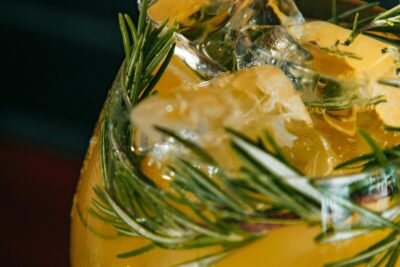
Oregano, besides being a culinary herb, has a strong aroma and is used in essential oils for its antibacterial properties.
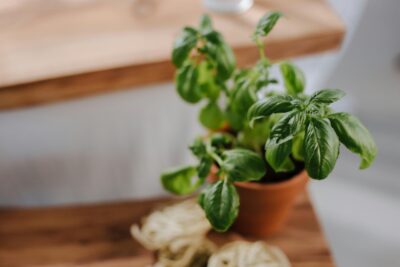
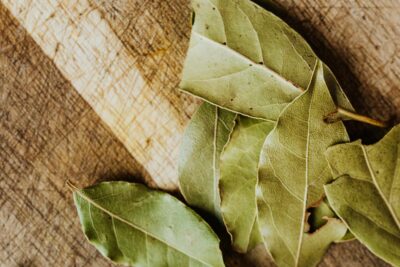
Bay laurel is a woody perennial herb whose leaves are used in cooking and also valued for their fragrance. Aromatic perennial herbs are often planted near pathways or windows so their scent can be enjoyed easily.
Ground Cover Perennial Herbs
Ground-cover perennial herbs are low growing plants that spread across the soil surface. They are useful for controlling weeds, preventing soil erosion, and filling empty spaces in gardens. Creeping thyme is a popular ground cover herb with small leaves and tiny flowers. It forms a dense mat and releases a pleasant aroma when walked on.Sweet woodruff is another ground cover perennial herb known for its star-shaped leaves and white flowers. It grows well in shaded areas and is often used in natural garden designs. Ground-cover herbs are especially useful in landscape planning due to their functional and aesthetic value.

Woody Perennial Herbs
Woody perennial herbs have hard, woody stems that persist year after year. They differ from soft-stemmed herbs in structure and appearance. Rosemary, lavender, and bay laurel fall into this category. These herbs often resemble small shrubs and can live for many years if properly cared for. Woody perennial herbs require pruning to maintain shape and encourage new growth. They are usually more drought tolerant and well suited to warm climates. Their long lifespan and resilience make them valuable additions to herb gardens.
Aquatic and Moisture-Loving Perennial Herbs
Some perennial herbs thrive in moist or aquatic environments. Watercress is a perennial herb that grows in shallow water or wet soil. It is rich in nutrients and commonly used in salads and soups. Indian pennywort, a medicinal perennial herb, prefers moist conditions and is used in traditional medicine for improving memory and circulation.
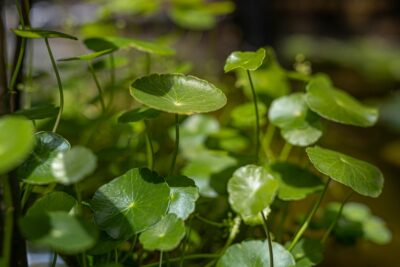
These moisture loving perennial herbs are suitable for ponds, wetlands, or areas with high water availability.
Culinary perennial herbs are grown mainly for adding flavor to food, while medicinal perennial herbs are grown for their healing and therapeutic uses. Ornamental perennial herbs are planted for beauty and fragrance, whereas aromatic perennial herbs are mainly valued for their strong scent used in oils and products. Ground cover perennial herbs spread low to cover soil and control weeds, while woody perennial herbs have hard stems and grow like small shrubs. Aquatic perennial herbs grow in wet or watery conditions, whereas most other perennial herbs prefer well drained soil.
Conclusion
Perennial herb plants are a diverse and valuable group of plants that offer long term benefits in gardens, kitchens, and medicine. Their ability to return year after year makes them cost effective and environmentally friendly. From culinary and medicinal herbs to ornamental, aromatic, and ground cover types, perennial herbs serve multiple purposes and adapt to various growing conditions. Understanding the different types of perennial herb plants helps in making informed choices for cultivation and use. Whether grown for flavor, beauty, or healing, perennial herbs continue to play an important role in human life and natural ecosystems.